Boots 3D Papercraft: SVG Shapes for Local Branding
As a brand designer specializing in local business identity, I approach every graphic design asset with a critical eye toward commercial viability. When evaluating the Boots - 3d Papercraft files for a recent boutique client project, my primary focus was not just on the aesthetic charm of the illustration, but on its functional application across packaging design and marketing visuals. This asset immediately struck me as having a distinctively nostalgic yet modern personality. It does not feel like generic clipart; rather, it possesses a tactile quality that suggests craftsmanship, warmth, and heritage. For small business branding, particularly for handmade businesses, florists, or artisanal retailers, this mood is invaluable. It bridges the gap between digital convenience and physical authenticity, creating an emotional connection that flat vector shapes often lack.
Evaluating Brand Personality and Commercial Fit
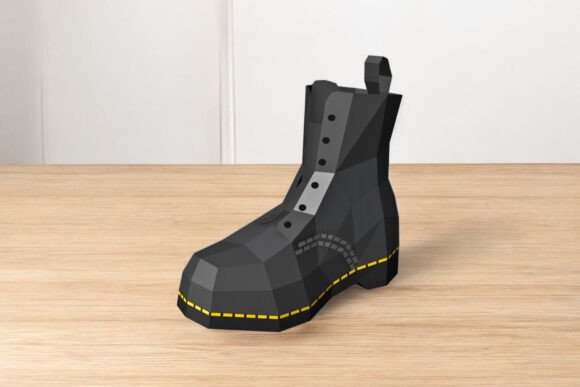
The visual weight of Boots - 3d Papercraft leans heavily into themes of durability, tradition, and seasonal comfort. In my assessment for a local leather goods and gift shop rebrand, this asset communicated reliability without feeling industrial. The papercraft style introduces a layer of softness that makes the brand feel accessible and friendly. This is crucial for local business owners who need to differentiate themselves from mass-market competitors. The design suggests a narrative of "made with care," which aligns perfectly with organic skincare lines, rustic home decor shops, or autumnal bakery campaigns. However, it is important to note that this specific aesthetic carries a strong stylistic signature. It works best for brands that embrace texture and storytelling. If your brand identity is strictly ultra-modern, tech-focused, or clinical, this asset might create cognitive dissonance. But for creative entrepreneurs seeking to add depth to their visual hierarchy, these 3D SVG shapes offer a unique textural element that elevates standard layouts.
Strategic Applications in Packaging and Product Presentation
In practical commercial design scenarios, versatility is key. I tested Boots - 3d Papercraft across multiple touchpoints for our boutique client. For product label design, the asset serves as an excellent secondary graphic or background texture rather than a primary logo mark. Its intricate details shine when used on hang tags, thank-you cards, and printable inserts included in shipping boxes. These are high-engagement moments where customers appreciate extra detail. For social media graphics, the PNG and JPG versions provided instant, high-quality content for Instagram stories and Pinterest pins, saving hours of custom illustration time while maintaining professional branding standards.
The true value emerged during product mockup creation. Using the EPS and DXF files, we integrated the boot silhouette into die-cut sticker designs and window decals for the storefront. The dimensionality of the papercraft style added perceived value to the physical packaging, making simple kraft paper bags look curated and premium. For food businesses or candle brands, this asset can anchor seasonal campaign visuals, transforming a standard promotional ad into a cohesive brand experience. The ability to scale the vector formats ensures that whether you are printing a small price list or a large poster, the edges remain crisp and the visual impact remains consistent.
Technical Assessment: File Formats and Production Reality
A beautiful design is useless if it fails in production. Reviewing the technical specifications of Boots - 3d Papercraft revealed both opportunities and necessary cautions for professional use. The inclusion of PDF, DXF, EPS, PNG, and JPG formats covers the entire spectrum of commercial design needs. The vector files (EPS/DXF) are essential for editing colors to match specific brand palettes, while the raster files allow for quick placement in Canva templates or web design projects. However, designers must be mindful of the complexity inherent in papercraft styles.
- Vector Editability: Always open the EPS or DXF files in Illustrator or similar software before finalizing. Ensure the layers are organized and that you can easily recolor elements to maintain brand consistency.
- Print Quality Testing: Because this mimics paper texture, verify how it prints on your chosen substrate. Test on both matte and glossy stock; the shadow details may get lost on low-quality printers or overly absorbent paper.
- PNG Transparency Check: Inspect the transparency mask on the PNG files. Clean edges are non-negotiable for overlaying onto colored backgrounds in social media graphics or website banners.
- Scale Verification: While vectors scale infinitely, the detail does not. At very small sizes (under 1 inch), the papercraft folds may turn into visual noise. Reserve this asset for medium-to-large applications.
Navigating Visual Hierarchy and Design Constraints
While Boots - 3d Papercraft is a powerful tool, it requires disciplined application within a broader brand identity. During our testing phase, we identified specific areas where caution is necessary. This asset should never compete with legal information, ingredient lists, or critical pricing data. The textured nature of the design draws the eye, so placing it near mandatory compliance text can reduce readability and cause customer frustration. Similarly, in luxury minimalist branding, this level of ornamentation can feel cluttered. It supports the brand story; it should not dominate it.
I also recommend rigorous typography pairing tests. We found that this papercraft style pairs beautifully with clean sans-serif fonts or elegant serifs, which provide necessary contrast. Avoid using it alongside other highly decorative script fonts or handwritten typefaces, as the combination creates visual chaos. The goal is a balanced visual hierarchy where the Boots - 3d Papercraft acts as a supporting character, enhancing the message without shouting over the headline. For editorial design or blog headers, ensure there is adequate negative space around the asset to let the texture breathe.
Licensing and Professional Implementation Checklist
Before deploying any digital product for client work or physical sales, confirming the commercial license is the first step of professional branding. Never assume usage rights. Once cleared, integrate this asset systematically. Do not use it as a one-off decoration; weave it into the brand system. Use it consistently across seasonal packaging, email newsletters, and in-store signage to build recognition. For handmade sellers and local businesses, this consistency builds trust. Customers begin to associate the specific visual language of the papercraft boots with your commitment to quality.
Finally, consider the assembly aspect mentioned in the product specs as a potential marketing angle. While the digital files are ready for immediate design use, the fact that this represents a constructible object adds a layer of meta-narrative. You could even use the concept of "assembly" in your copywriting or behind-the-scenes social media content, reinforcing the idea that your brand is built with intention. Whether you are designing a coffee shop menu, a children’s product line, or a festive retail campaign, Boots - 3d Papercraft offers a rich, versatile foundation for creative entrepreneurs looking to add tangible character to their digital and physical brand presence. By treating this graphic design asset with strategic respect and technical diligence, it becomes more than just a shape—it becomes a cornerstone of a memorable local business identity.