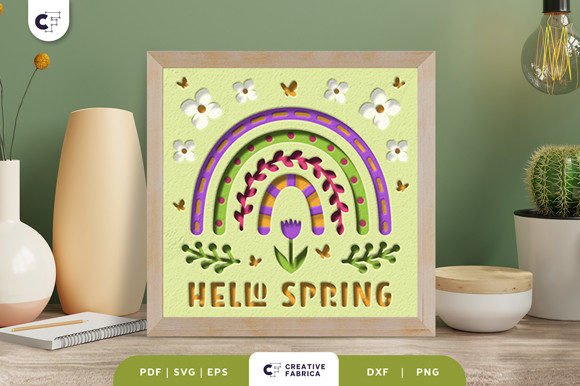
Spring Rainbow Light Box Paper Cut SVG Review
As a designer who constantly bridges the gap between digital assets and tangible textiles, I approach every new file with a specific question: will this actually translate to thread? When I first opened the Spring Rainbow Light Box Paper Cut SVG, my immediate reaction was one of cautious optimism. While marketed primarily as a layered paper cutting template for shadow boxes, the geometric precision and distinct color blocking inherent in this 3D SVG format caught my eye as a potential candidate for mixed-media embroidery projects. For fellow Etsy sellers, apparel decorators, and makers looking to expand their seasonal offerings, understanding how this design behaves outside its intended paper medium is crucial before committing it to fabric.
Translating Paper Layers to Stitched Texture
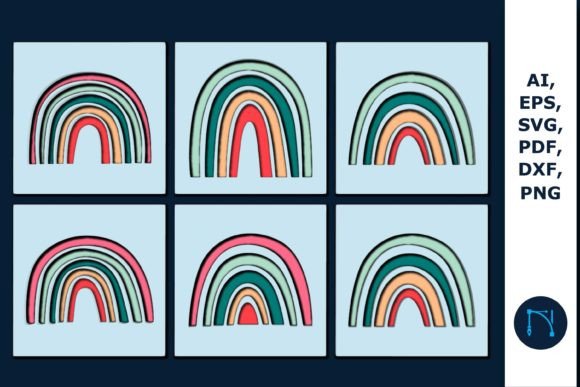
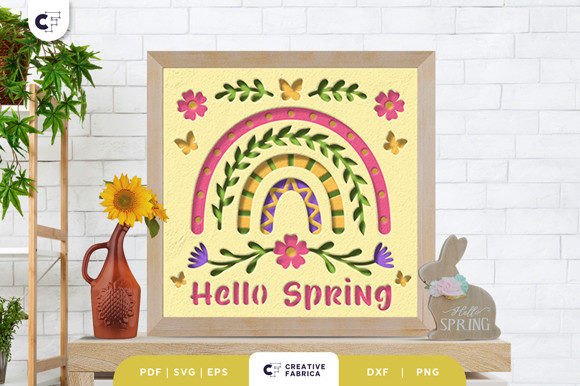
The visual personality of this design is undeniably cheerful. It captures that fresh, optimistic mood associated with the Seasons category perfectly. However, as an embroidery digitizer and reviewer, I look past the screen preview. The "paper cut" aesthetic relies on sharp edges and negative space. In a machine embroidery design context, this translates beautifully to applique work or dense satin stitch borders. The layered nature of the original SVG provides a natural roadmap for color changes, making it easier to plan thread colors without guessing where one shade ends and another begins.
I recently tested this concept while preparing a custom embroidered tote bag for a spring boutique collection. My goal was to create a product that felt handmade yet professional enough for retail. Because the Spring Rainbow Light Box Paper Cut SVG is square and balanced, it centered effortlessly in a standard hoop size. I treated each digital "layer" as a separate applique piece rather than trying to replicate the paper shadow effect with fill stitch alone. This decision reduced the overall stitch density significantly, preventing the tote bag fabric from becoming stiff or puckered. The result was a vibrant, textured rainbow that maintained the structural integrity of the bag while offering the dimensional appeal customers love in personalized gifts.
Best Applications for Commercial and Personal Projects
This design shines brightest when you respect its geometry. Based on my testing and experience with similar 3D SVG adaptations, here is where I see the highest return on investment for your craft business:
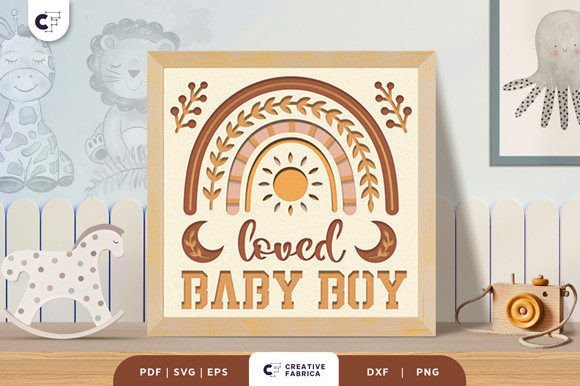
- Nursery Decor and Baby Embroidery: The soft, rounded arches typical of rainbow motifs make this ideal for baby blankets and pillow covers. The distinct layers allow for high-contrast thread colors that stimulate visual interest without being overwhelming.
- Sweatshirt Embroidery: Placing this design on the chest or back of a pastel sweatshirt creates an instant bestseller for spring markets. The square aspect ratio fits perfectly within the printable mockup templates many digital product sellers use.
- Embroidered Patches: Because the design relies on clear boundaries, it converts exceptionally well into patches. You can stitch these out on felt or twill and sell them as standalone merchandise or add-ons to other small shop products.
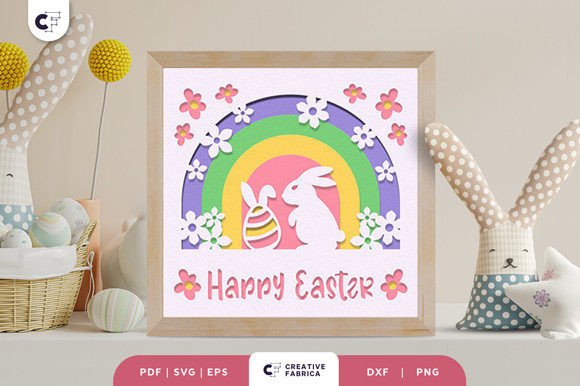
- Holiday and Seasonal Gifts: Beyond just Easter, this rainbow motif works for general spring gifting, teacher appreciation, or even as a symbol of hope and new beginnings for personalized gifts.
For Etsy sellers and creative entrepreneurs, the versatility of this asset means you can create multiple listings from a single source file. A finished product photo of a stitched tea towel looks vastly different from a digital preview of the same design on a cap, effectively doubling your catalog visibility.
Critical Limitations and Fabric Considerations
While the Spring Rainbow Light Box Paper Cut SVG is adaptable, it is not universally forgiving. As someone who has ruined expensive blanks by ignoring technical limitations, I urge you to consider the following constraints before stitching:
Avoid Stretchy Fabrics Without Proper Support: The straight lines and curves in this design demand stability. If you attempt this on ribbed knit or thin jersey without adequate stabilizer, the registration will fail, and the "layers" will gap. This is particularly true if you are adapting the paper cut lines into running stitch details.
Watch Out for Dark Fabrics: Paper cut designs often rely on white or light backgrounds to define internal shapes. On dark fabric, you may need to add a white underlay or adjust the design to include lighter border stitches; otherwise, the intricate layering gets lost visually. Always test thread colors against your specific fabric texture first.
Small Hoop Sizes and Tiny Details: If you are scaling this down for a baby onesie or a cap, be wary of losing definition. The spaces between the rainbow layers may become too narrow for satin stitch at smaller scales. In these cases, simplify the design or switch to a lighter fill stitch to prevent bulletproof embroidery that damages delicate garments.
Curved Surfaces: Since this is originally a square, flat template, wrapping it around a curved cap brim requires distortion correction. Do not assume the digital embroidery file will curve automatically; you may need to manually adjust the artwork to compensate for the push-pull effect on curved surfaces.
Professional Notes for Makers and Sellers
To ensure your final output meets commercial standards, treat the Spring Rainbow Light Box Paper Cut SVG as a starting point rather than a finished embroidery file. Always verify licensing terms before selling finished items or using the design in commercial embroidery projects. Just because a file is available does not always mean it is cleared for unlimited retail production.
Before listing any new product, run a sew-out on scrap fabric that matches your final substrate. Check the stitch density specifically at the corners and inner curves. If the design feels too thick, edit out redundant underlay or reduce the fill stitch percentage. Conversely, if the layers are separating, increase the overlap or tack-down stitches. These adjustments are what separate hobbyist results from professional handmade products.
Finally, consider your presentation. When creating marketing assets, show the design in context. A flat scan of the embroidery tells only half the story. Photograph the texture, the sheen of the thread, and the scale relative to the item. For digital product sellers offering this as part of a bundle, include notes on recommended stabilizers and thread colors to build customer trust. By applying practical design judgment to this beautiful spring template, you transform a simple paper cut concept into a profitable, high-quality addition to your embroidery repertoire.