Rainbow Layered Number SVG Numbers 1-10 Review
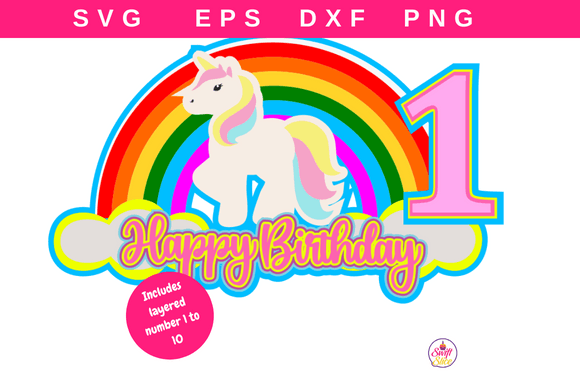
As a designer who spends more time behind an embroidery machine than a computer screen, I approach every new digital asset with a healthy dose of skepticism. When I first opened the zipped folder for the Rainbow Layered Number SVG Numbers 1-10, my immediate thought was about translation. This product is marketed primarily as a cut file for cake toppers, but as makers, we know that a shape working in vinyl or cardstock does not automatically guarantee success in thread. However, after reviewing the geometry and planning a real-world test on a custom nursery sweatshirt, I see significant potential for this design in the textile space, provided you understand how to adapt a 3D SVG concept into a tactile embroidery project.
First Impressions: Visual Weight and Stitch Potential
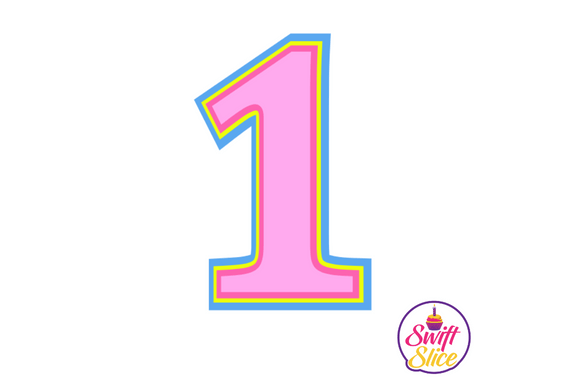
The visual personality of these numbers is undeniably cheerful. The layered aesthetic creates a sense of depth that is often difficult to achieve in standard machine embroidery designs without excessive digitizing. In the Shapes category, rounded, organic edges are generally safer for stitching than sharp geometric corners, and this set leans into that softness. For a crafter or Etsy seller, this mood translates perfectly to baby items, birthday apparel, and playful tote bag designs.
However, because this originates as a cut file, the "layers" are distinct vector shapes rather than pre-digitized stitch regions. This is actually an advantage for experienced embroiderers. It allows you to decide whether those layers become satin stitch borders, fill stitch blocks, or raw-edge applique design elements. The visual weight is substantial enough to hold its own on heavier fabrics like fleece or canvas, yet the internal negative space prevents the design from becoming a bulletproof patch of thread that could distort lightweight knits.
Real-World Application: The Milestone Sweatshirt Test
To truly evaluate the Rainbow Layered Number SVG Numbers 1-10, I mentally mapped out a specific client request: a "Turning Two" milestone sweatshirt for a toddler. This is a staple personalized gift in any craft business, but it requires balancing cuteness with wearability. Toddlers are messy, and parents want garments that survive washing.
In this scenario, using the number '2' as a centerpiece works beautifully because the layered structure mimics the look of stacked felt or fabric scraps. Instead of a flat print, the embroidery file allows us to create texture. I envision the bottom layer as a neutral running stitch outline to anchor the design, with the upper rainbow layers executed as contrasting fill stitches or appliqued cotton. This approach turns a simple numeral into a high-value handmade product. For an Etsy seller, this distinction matters. Customers can find printed numbers anywhere; they come to small shop owners for the dimensional quality that only thread can provide. The design’s proportions also leave ample room for adding a name or date below without requiring an oversized hoop size.
Navigating Fabric Limitations and Hoop Constraints
While versatile, this design demands respect for fabric physics. Because the original asset is intended for rigid cake toppers, the lines may be uniform in width. In embroidery, uniform width on stretchy fabric is a risk factor. If you are stitching this onto a ribbed knit or a stretchy t-shirt, you must use appropriate stabilizer. A cut-away backing is non-negotiable here to prevent the layered number from pulling the fabric inward and creating a cupped effect.
I would advise caution when using this design on highly textured fabrics like terry cloth or boucle. The intricate layering that makes the Rainbow Layered Number SVG Numbers 1-10 so appealing visually can get lost in a high-pile texture. The details need a smooth canvas to shine. Similarly, if you are working with dark fabrics, remember that the "rainbow" aspect relies on color contrast. You may need to add a white underlay or a light border stitch to ensure the vibrant thread colors pop against navy or black material. Without this amendment, the design risks looking muddy.
Regarding sizing, the product description notes that resizing is necessary. Be mindful of your machine’s limits. Scaling up for a pillow cover is generally safe, but scaling down for a baby bib or cap requires scrutiny. If the layers become thinner than 3mm, standard satin stitch might fray, and fill stitch might lose definition. Always check the minimum viable size for your specific thread weight before committing to a production run.
Commercial Viability and Brand Consistency
For creative entrepreneurs and digital product sellers, consistency is currency. Having a cohesive set of numbers 1-10 means you can offer a complete "Birthday Collection" rather than one-off items. This builds brand recognition and encourages repeat purchases. Whether you are selling finished embroidered patches or custom apparel, using a unified design language across different ages creates a professional catalog appearance.
The layered nature of this 3D SVG also offers excellent mockup potential. Before you even thread a needle, you can use the vector files to create printable mockups for your listings. This helps validate market interest before you invest time in digitizing and sampling. However, always verify your licensing. Ensure you have the right to sell finished products derived from this file, especially if you plan to scale your craft business beyond hobbyist sales.
Designer Notes for Successful Execution
Transitioning from a digital cut file to a stitched reality requires a methodical workflow. Here are my practical recommendations for integrating this design into your studio:
- Digitize with Intent: Do not rely on auto-digitizing software to interpret the layers. Manually assign stitch types. Use running stitch for alignment marks between layers to ensure perfect registration.
- Test on Scrap Fabric First: Never stitch the final version without a sample. Check how the layers interact at the overlap points. Excessive density where three layers meet can cause needle breaks or fabric puckering.
- Evaluate Thread Color Contrast: Print a black and white version of the design. If the layers disappear in grayscale, your color values are too similar. Adjust your thread palette to ensure each layer reads distinctly.
- Confirm Hoop Size and Stabilizer: Match your stabilizer weight to the fabric, not just the design. For the sweatshirt application mentioned earlier, medium-weight cut-away is ideal. For a tea towel, tear-away may suffice.
- Check Licensing for Commercial Embroidery: Before listing any finished product or digital embroidery file based on this asset, review the original license terms explicitly.
- Inspect Small Details: If resizing for caps or sleeves, simplify the innermost layers. Tiny gaps between layers that look fine on screen may close up entirely during stitching due to thread thickness.
Final Verdict for Makers
The Rainbow Layered Number SVG Numbers 1-10 is a promising foundation for embroidery work, specifically for those willing to treat it as a blueprint rather than a finished solution. Its strength lies in its celebratory aesthetic and structural depth, making it ideal for personalized gifts and boutique merchandise. While it requires technical adaptation to move from cake topper to custom apparel, the result is a unique, textured product that stands out in a saturated market. By respecting fabric limitations and applying thoughtful digitizing strategies, this design can become a reliable asset in your commercial embroidery repertoire.