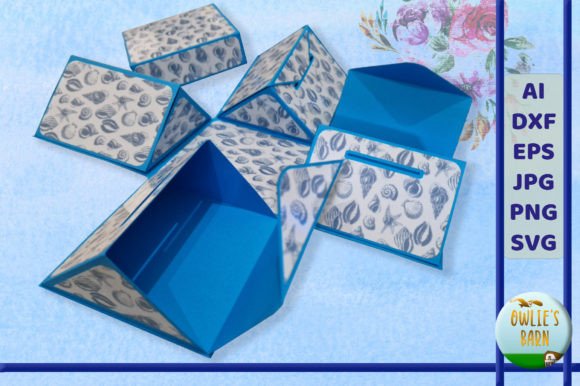
Exploding Cube with Triangular Boxes Review
As a professional embroidery designer and product reviewer, I approach every new digital asset with a critical eye. When evaluating the Exploding Cube with Triangular Boxes, my first thought isn't just about the visual novelty; it is about structural integrity and stitch performance. This design presents a unique geometric challenge that differs significantly from standard floral or monogram work. The concept of a cube that "explodes" to reveal triangular interiors suggests dynamic movement and depth, but translating that 3D SVG logic into a flat machine embroidery design requires careful consideration of density, registration, and fabric compatibility.
My initial impression is that this design carries a modern, architectural mood. It feels technical yet playful, making it distinct from traditional embroidery motifs. For makers and Etsy sellers looking to diversify their catalog beyond seasonal staples, this geometric abstraction offers a fresh aesthetic. However, because it relies on precise angles and the illusion of three-dimensional space, it demands respect during the digitizing and stitching phases. A sloppy execution here will look messy rather than artistic, so understanding its behavior in real-world applications is essential before listing any finished product for sale.
Real-World Application: The Custom Tote Bag Test
To truly evaluate this design, I mentally placed it on a heavy-duty canvas tote bag design project intended for a boutique client. Canvas is an excellent substrate for geometric shapes because its tight weave supports crisp lines without excessive distortion. In this scenario, the Exploding Cube with Triangular Boxes serves as a central focal point. The "explosion" effect works best when there is sufficient negative space around the cube, allowing the triangular boxes to read clearly against the fabric background.
For this specific embroidery project, I envision using high-contrast thread colors. A dark charcoal cube with bright teal or mustard yellow triangular interiors would maximize the visual pop necessary to sell the 3D illusion. If you are creating custom apparel like sweatshirts or hoodies, the design needs to be scaled appropriately. On a sweatshirt embroidery placement, the chest area provides enough stability, but you must account for the stretch of the knit fabric. The rigid geometry of the cube can sometimes fight against the drape of a garment, so testing the placement is vital to ensure the design doesn't cause puckering or distort the wearer's silhouette.
This design also holds promise for commercial embroidery ventures focusing on tech accessories or modern nursery decor. As a baby embroidery motif, softening the color palette could turn this abstract shape into a stimulating sensory visual for blankets or bibs. However, for items requiring frequent washing, such as baby clothes or kitchen towels, verify that the stitch density is balanced. Too much density in the overlapping "exploding" sections could create a stiff, cardboard-like texture that is uncomfortable against skin or prone to cracking after repeated laundering.
Navigating Fabric Limitations and Hoop Constraints
While the Exploding Cube with Triangular Boxes is versatile, it is not universally forgiving. Designers must exercise caution when working with textured fabrics like terry cloth or fleece. The intricate angles of the triangular boxes can get lost in the pile of the fabric, muddying the clean lines that define the design. Similarly, on dark fabrics, you may need to adjust your underlay strategy. A standard running stitch underlay might not provide enough foundation for the sharp corners of the cube, leading to jagged edges that undermine the professional quality of your handmade product.
Hoop size selection is another critical factor. Geometric designs require absolute precision in registration. If you attempt to squeeze this design into the smallest possible hoop, you risk tension issues that pull the cube out of square. Always use the smallest hoop that still allows adequate clearance for the presser foot and stabilizer clamping. Speaking of stabilization, this design likely requires a cut-away stabilizer rather than tear-away, especially on stretchy or lightweight materials. The structural complexity of the exploding sides creates multiple stress points; a robust stabilizer ensures those triangles remain aligned and the cube maintains its intended shape.
Be particularly wary of curved surfaces. While this might look fantastic in a printable mockup on a flat cap, embroidering it on a structured hat is risky. The curvature of the cap can distort the perspective of the cube, making the "explosion" look accidental rather than intentional. For caps, simpler, flatter adaptations of this theme might be safer. Additionally, if you are incorporating text alongside this design, keep lettering minimal. Tiny text near the complex geometry of the triangular boxes often results in readability issues and production headaches.
Designer Notes for Professional Results
Before you commit this digital embroidery file to a final run, adhere to these practical protocols to protect your brand reputation and minimize waste:
- Test Stitch on Scrap: Never skip this step. Use the exact fabric and stabilizer combination intended for the final piece. Check specifically for registration errors where the triangular boxes meet the main cube body.
- Verify Licensing: Since this item is categorized under Freebies, double-check the specific license terms regarding commercial use. Ensure you have the right to sell finished items or use the design in design assets for your shop.
- Contrast Check: View your thread selection in both natural and artificial light. What looks distinct on screen might blend together on fabric. High contrast is key for the 3D effect.
- Density Audit: Inspect the file in your editing software. If the overlapping areas of the explosion are excessively dense, consider reducing the fill stitch density slightly to prevent needle breaks or fabric damage.
- Mockup Validation: Create realistic mockups showing the design on the actual product type. This helps manage customer expectations regarding scale and placement.
Elevating Product Value Through Precision
The true value of the Exploding Cube with Triangular Boxes lies in its ability to signal craftsmanship. When executed well, it demonstrates that a maker understands more than just basic stitching; they understand spatial design and technical execution. For small shop products and craft business owners, offering such technically proficient items builds buyer trust. Customers recognize the difference between a generic clip-art stitch-out and a thoughtfully engineered personalized gift or boutique item.
Furthermore, this design’s unique nature makes it highly shareable on social media. The visual intrigue of an exploding cube stops the scroll, driving engagement for your Etsy seller profile or website. Whether used as a standalone art piece on a pillow cover or as a branded element on corporate merchandise, it communicates modernity and creativity. Just remember that as a 3D SVG origin, the translation to thread requires you to bridge the gap between digital perfection and textile reality.
Ultimately, the Exploding Cube with Triangular Boxes is a rewarding challenge for the intermediate to advanced embroiderer. It pushes boundaries beyond standard applique design or simple satin stitch borders. By respecting the technical requirements of fabric texture, stabilization, and color theory, you can transform this digital freebie into a premium commercial asset. Take the time to test, refine, and validate your process, and this design will serve as a testament to your dedication to quality in every embroidered patch, tote, or garment you produce.