Cute Baby Penguin Christmas Cake Topper Review
As a designer who constantly bridges the gap between digital assets and physical embroidery, I approach every new file with a healthy dose of skepticism. When I first opened the Cute Baby Penguin Christmas Cake Topper, my immediate thought was about translation. This asset is marketed as a 3D SVG optimized for cutting machines like Silhouette Studio and Cricut Design Space, but for those of us in the embroidery world, it represents something different: a blueprint for mixed-media magic. My evaluation here isn't just about whether the lines are clean for vinyl; it is about whether this design possesses the structural integrity and visual charm necessary to serve as a foundation for a high-quality machine embroidery design or hybrid craft project.
First Impressions and Seasonal Character
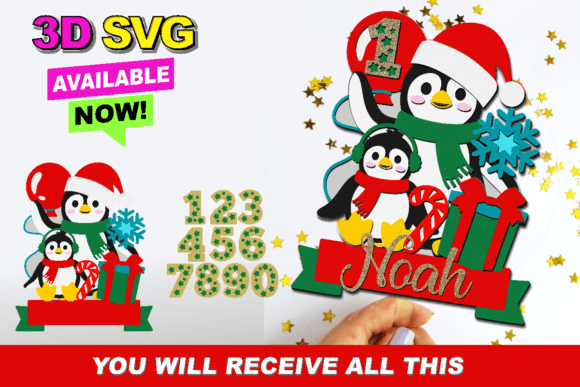
The mood of this penguin is undeniably festive without being garish. In the realm of holiday embroidery, there is often a fine line between adorable and cluttered. This design strikes a balance that feels professional yet accessible. The silhouette is distinct, which is crucial when you are considering how it will read from a distance on a finished product. For an Etsy seller or small shop owner, visual recognition is everything. Customers scrolling through thumbnails need to instantly understand that this is a baby penguin and that it belongs to the Christmas season. The layout suggests a centered composition that would naturally fit within standard hoop sizes, making it versatile for various applications.
However, because this is technically a 3D SVG intended for cutting, an embroiderer must look closer at the line weight. Are the details too fine for a needle? Does the shape allow for adequate anchor points if you were to convert this into an applique design? Visually, the personality is strong. It evokes warmth and nostalgia, which are the exact emotions buyers seek when purchasing personalized gifts or nursery decor. As a digital asset, it promises ease of use, but as a precursor to stitching, it demands a thoughtful assessment of fabric texture and stabilizer choices before you ever thread a needle.
Real-World Application: The Holiday Sweatshirt Test
To truly evaluate this design, I mentally placed it onto a real-life project: a custom holiday sweatshirt for a toddler. This is a staple item for any craft business during the fourth quarter. In this scenario, the Cute Baby Penguin Christmas Cake Topper serves as the centerpiece of a layered design. Because the original file is cut-ready, it works exceptionally well as a template for heat transfer vinyl (HTV) or as a guide for creating a faux-appliqué effect using felt or cotton.
When adapting this for sweatshirt embroidery, the primary concern is fabric stability. Fleece and French terry are textured and stretchy. If I were using this SVG as a placement guide for an embroidered version, I would immediately check the stitch density. A design originally meant for cutting might have sharp corners that translate poorly to satin stitches on fleece. In my test scenario, I would pair this penguin with simple running stitch outlines rather than dense fill stitches to prevent the garment from becoming stiff or puckering. The goal is a soft, wearable handmade product that parents actually want their children to wear.
For a tote bag design, the application shifts. Canvas is stable and forgiving. Here, the bold shapes of the penguin would shine as a traditional appliqué. I could use the SVG to cut the fabric pieces precisely, then use my embroidery machine to tack them down. This hybrid workflow saves time and ensures the finished product looks crisp. The "cake topper" aspect of the title implies a celebratory vibe, making this specific penguin ideal for first birthday shirts, cake smash outfits, or milestone blankets where the intersection of Christmas and baby milestones creates a unique selling proposition for boutique owners.
Navigating Fabric Limitations and Technical Constraints
While the design is charming, practical experience dictates caution in certain contexts. Not every fabric is a suitable canvas for this specific aesthetic. When working with detailed SVGs converted for embroidery or mixed media, you must respect the limitations of the material.
- Textured Fabrics: On heavy knits or ribbed fabrics, fine details of the penguin’s face or accessories may get lost. The valleys of the knit can swallow running stitches, making the expression unclear. Always test on scrap fabric first.
- Stretchy Performance Wear: Unless you are using a specialized ballpoint needle and high-quality cutaway stabilizer, this design may distort on athletic wear. The rigid nature of a vector graphic does not always forgive the movement of spandex.
- Dark Fabrics: Contrast is king. If stitching white thread for the penguin’s belly on dark green velvet, ensure your underlay is sufficient to prevent the fabric color from bleeding through. Alternatively, use this SVG to cut white felt appliqué to guarantee opacity.
- Curved Surfaces: Placing this on a cap or curved sleeve requires careful hooping. A flat 3D SVG does not account for the distortion that occurs when wrapping around a cylinder. You may need to slightly adjust the aspect ratio in your software before stitching.
- Frequent Washing: Baby items and kitchen towels endure harsh laundering. Ensure all edges are securely locked down. If using this as a pure vinyl cut, verify the adhesive rating. If embroidering, avoid long floating threads that little fingers can snag.
Impact on Brand Value and Customer Trust
In the competitive landscape of commercial embroidery and digital sales, consistency builds trust. Using a well-structured asset like the Cute Baby Penguin Christmas Cake Topper signals professionalism. When a customer receives a product where the design is centered, the tension is correct, and the style matches the listing photos, they return. This design’s clear geometry aids in achieving that consistency across multiple products.
Furthermore, for sellers offering digital embroidery files or printable mockups, this SVG is a valuable asset. You can create realistic previews without stitching out every variation. However, transparency is vital. If you are selling a derivative embroidery file based on this cutting SVG, you must clearly communicate what the buyer needs to know regarding compatibility. Just as the product description warns users to check machine compatibility for the SVG, you must advise embroidery customers to check their hoop size and format requirements. Clear communication prevents returns and negative reviews, protecting your reputation as a reliable maker.
Designer Notes for Successful Execution
Before you commit this design to fabric or list it in your shop, run through this practical checklist derived from years of production experience:
- Verify Compatibility: The product description explicitly states this is easy to cut on Silhouette and Cricut. If you are using a Brother, Janome, or industrial cutter, confirm file support before purchasing. Do not assume universal compatibility.
- Mockup Testing: Create black and white mockups to test contrast. A design that looks cute in color might turn into an unrecognizable blob in monochrome embroidery. Verify readability before production.
- Stabilizer Selection: Match your backing to the fabric, not just the design. For this penguin on baby clothes, use a soft cutaway to prevent skin irritation. For tote bags, a medium tear-away may suffice.
- Licensing Check: Confirm whether your purchase includes commercial rights for finished products versus digital redistribution. Selling a physical embroidered patch is often treated differently than reselling the digital file itself.
- Thread Color Planning: Pre-select your thread colors against the actual fabric swatch. Screen colors are deceptive. The "Christmas" theme allows for traditional reds and greens, but consider modern palettes like sage and blush to differentiate your shop from generic competitors.
- Scale Appropriately: Just because a file can be resized infinitely as an SVG doesn't mean the stitch count will survive extreme scaling. If converting to embroidery, stay within reasonable size parameters to maintain stitch integrity.
Ultimately, the Cute Baby Penguin Christmas Cake Topper is more than just a seasonal graphic; it is a flexible tool for creative entrepreneurs. Whether you are layering it with vinyl for a quick turnaround product or digitizing it for a heirloom-quality baby blanket, success lies in respecting the technical realities of your medium. By approaching this design with a critical, maker-focused mindset, you transform a simple digital download into a profitable, professional-grade addition to your holiday collection.