Bunny Rainbow 3D Shadow Box SVG Review
As a professional embroidery designer who constantly evaluates digital assets for both personal projects and commercial client work, I approach every new file with a critical eye. When I first opened the Bunny Rainbow 3D Shadow Box SVG, I wasn't just looking at a cute holiday graphic; I was analyzing its potential as a viable machine embroidery design. The market is saturated with generic Easter clipart, but this specific asset caught my attention because of its implied depth. While marketed as a 3D SVG for paper crafting or laser cutting, my immediate question was whether the intricate design makes for a successful stitch-out on fabric. After reviewing the layers and visual structure, I can confidently say this design offers unique opportunities for mixed-media creators, provided you understand how to translate its shadow box aesthetic into thread.
Translating Digital Depth to Stitched Texture
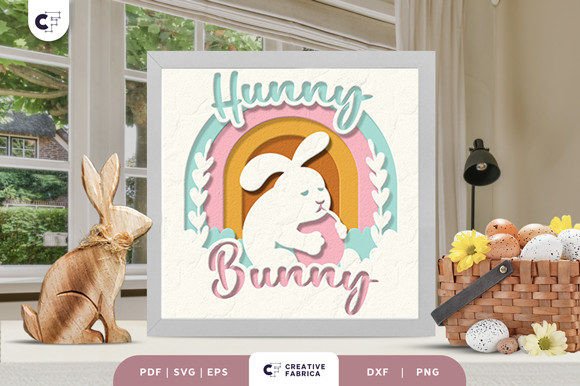
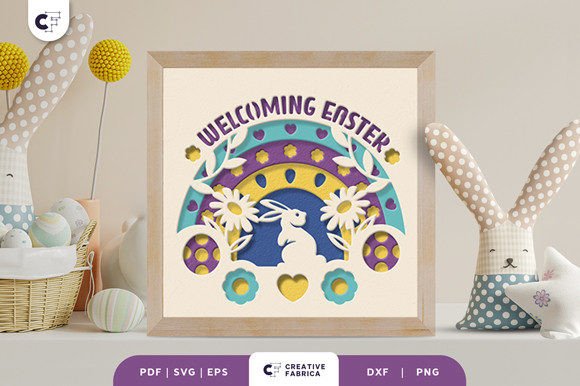
The first impression of the Bunny Rainbow 3D Shadow Box SVG is one of cheerful dimensionality. Visually, it establishes a mood that is soft, nostalgic, and distinctly high-end nursery appropriate. For an embroidery project, this layout is a dream if treated correctly. Unlike flat vector art, the layered nature of this design suggests natural separation points for applique design techniques. As I evaluated the rainbow arching over the bunny, I immediately envisioned using felt or textured cotton for the background layers to mimic the physical shadow box effect. This isn't a design meant for a dense, single-layer satin stitch fill; it demands a mixed-media approach to truly shine.
For those creating custom apparel or boutique products, this visual personality signals quality. Customers associate dimensional embroidery with higher value than standard flat stitching. By leveraging the inherent layering of this digital embroidery file, you can create a finished product that feels tactile and expensive. However, this also means you must be intentional about your stabilizer choice. Because the design relies on perceived depth, using a tear-away stabilizer on a stretchy knit could cause puckering that ruins the illusion. A cut-away stabilizer is non-negotiable here to maintain the crisp registration between the rainbow and the bunny elements.
Real-World Application: The Custom Tote Bag Test
To truly judge the viability of the Bunny Rainbow 3D Shadow Box SVG, I mentally walked through a recent client request: a personalized gift tote bag for an Easter basket filler. Tote bags are fantastic canvases for holiday embroidery because they offer stability and visibility. In this scenario, I considered how the design would perform on unbleached canvas versus white twill.
On natural canvas, the design’s intricate details require high contrast thread colors to pop. I found myself planning a color palette where the rainbow uses vibrant variegated threads while the bunny remains in classic white or cream running stitch outlines. This application highlights a crucial consideration for Etsy sellers and small shop owners: versatility. The design works beautifully as a centerpiece for a tote bag design, but only if you adjust the density. Canvas is forgiving, but if you plan to adapt this same file for baby embroidery on a onesie, you will need to reduce the stitch density significantly to prevent the garment from becoming stiff or heavy.
Furthermore, when preparing this for a handmade product listing, consider the photography. The "shadow box" origin of the file means it photographs exceptionally well in flat lays. For printable mockups or digital product previews, the design retains its integrity even when scaled down, which is vital for buyer engagement on platforms like Etsy. Customers need to see that the embroidered patch or sweatshirt embroidery will look as clean in reality as it does on screen.
Navigating Fabric Limitations and Hoop Constraints
While the Bunny Rainbow 3D Shadow Box SVG is visually stunning, practical experience dictates caution with certain substrates. I would advise against using this specific design on highly textured fabrics like terry cloth or thick fleece without significant modification. The intricate design makes fine details susceptible to getting lost in the pile of the fabric. If a client requests this for a plush blanket, I would recommend simplifying the inner details or adding a topping stabilizer to ensure the stitches sit above the texture.
Similarly, be wary of small hoop sizes. The charm of this design lies in the relationship between the rainbow and the bunny. Compressing this composition into a 4x4 hoop often forces you to sacrifice the negative space that creates the 3D illusion. Before committing to a production run for craft business merchandise, always verify your hoop size allows for adequate breathing room around the motif. Crowded designs look amateurish and decrease customer trust.
Dark fabrics present another challenge. Since the original asset is likely designed with light backgrounds in mind for paper crafts, reversing it for navy or black apparel requires rethinking your underlay. You cannot simply change the thread color; you must ensure there is sufficient underlay to prevent the dark fabric from showing through lighter pastel threads. Always test the design on scrap fabric first, specifically checking thread color contrast against your intended base material. What looks vibrant in software might appear muddy on charcoal grey cotton.
Commercial Viability and Professional Standards
For creative entrepreneurs and apparel decorators, the Bunny Rainbow 3D Shadow Box SVG represents a strong commercial asset, but professionalism lies in the execution. When selling finished items, consistency is key. If you use this design for a line of holiday gifts, ensure your stitch types remain consistent across different products. Mixing satin stitch borders on one item and running stitch on another within the same collection can dilute your brand identity.
I also want to emphasize the importance of licensing and file verification. As this is marketed as a 3D SVG, you must confirm that the vendor permits conversion to embroidery formats for commercial embroidery use. Never assume a digital file is cleared for resale as a stitched product without checking the specific terms. Additionally, because exact stitch counts and optimized embroidery files are not inherent to a raw SVG, you should treat this as a digitizing template rather than a ready-to-stitch file unless explicitly stated otherwise. Inspect small details after digitizing to ensure no jump stitches traverse visible areas, and compare light and dark fabric backgrounds in your digitizing software before exporting.
Final Designer Verdict for Makers
The Bunny Rainbow 3D Shadow Box SVG is more than just seasonal decor; it is a sophisticated foundation for high-quality needlework. Its strength lies in its layered composition, which invites creative interpretation through applique and mixed media. For the experienced maker, it offers a chance to showcase technical skill through texture and depth. For the business owner, it provides a recognizable, heartwarming motif that resonates with buyers seeking meaningful personalized gifts.
However, success requires respecting the translation process from screen to fabric. Prioritize proper stabilization, test on relevant substrates, and never skip the sample stitch-out. Whether you are creating a bespoke sweatshirt embroidery piece or stocking your shop with spring accessories, this design has the potential to elevate your portfolio. Just remember that in our industry, the most beautiful digital file is only as good as the hands that stitch it. Approach this design with patience and precision, and it will undoubtedly become a staple in your Easter collection.